Learning history from textbooks can be dry. Dates, names, and events often blur together. But when students step into a real historical setting, everything changes. History comes alive, and learning transforms into an experience. Educational trips provide more than just sightseeing; they connect knowledge with emotion, curiosity, and engagement. Students remember what they see and feel far better than what they read on a page.
Interactive Learning Through History Tours
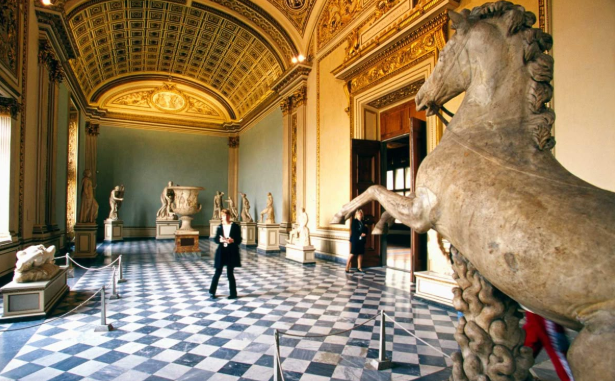
History tours are educational trips designed to immerse students in historical events and locations. These tours allow learners to interact with history directly. Visiting landmarks, museums, and heritage sites creates a tangible connection to the past. Students can observe artifacts, architecture, and preserved sites. This type of hands-on learning reinforces lessons from the classroom. By exploring history firsthand, students develop a deeper understanding of the world around them, making history tours a vital part of education.
Enhancing Critical Thinking Skills in Students
While on history tours, students encounter complex historical contexts. They compare past and present, question causes and consequences, and analyze cultural shifts. This environment encourages critical thinking. Rather than memorizing facts, students engage with history actively. They learn to interpret information, debate perspectives, and form their own opinions. Through these experiences, history tours cultivate analytical skills that benefit academic growth beyond the subject itself.
Cultural Awareness Through History Tours
Visiting historical sites exposes students to diverse cultures and traditions. They witness how societies evolved, how conflicts shaped nations, and how people lived in different eras. This exposure builds empathy and cultural awareness. Students begin to appreciate the struggles and achievements of others. History tours provide context to global events, connecting past lessons with present realities. The tours make cultural education vivid and personal, far beyond what a textbook could convey.
Memory Retention Boosted by Real Experiences
Research shows that experiential learning enhances memory retention. Seeing a battlefield, walking through an ancient city, or exploring a historic home leaves lasting impressions. History tours tap into multiple senses—sight, sound, and touch. Students remember stories, details, and facts more vividly. These experiences anchor knowledge in their minds. When they return to the classroom, students can recall information more accurately and connect it to real-world contexts.
See also: Managing Your SBA Loan Payment: Tips for Small Business Owners
Social Learning and Teamwork During Tours
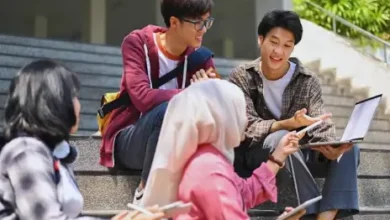
History tours often involve group activities, scavenger hunts, or guided explorations. Students collaborate, discuss observations, and share insights. This social interaction fosters teamwork and communication skills. Peer discussions make learning more dynamic and inclusive. Through history tours, students practice listening, debating, and supporting ideas, all while exploring historical content. Learning becomes a shared adventure, enhancing both knowledge and interpersonal skills.
Integration of Technology and Modern Tools
Modern history tours often incorporate technology, from audio guides to interactive apps. Students can access augmented reality experiences or virtual reconstructions while exploring sites. These tools create deeper engagement and make historical content accessible in innovative ways. The integration of technology during tours complements classroom learning, creating a hybrid approach that appeals to today’s tech-savvy learners. History tours are no longer just visits—they are immersive educational journeys.
Conclusion
History tours transform education from passive study to active experience. They make history tangible, spark curiosity, and develop critical and cultural skills. Students leave with memories, understanding, and perspectives that last a lifetime. By connecting classrooms with real-world history, these tours create learning experiences that go far beyond textbooks. Schools that invest in history tours offer students an opportunity to see the past, think deeply, and grow holistically.