When you own a prized possession like a Harley Davidson motorcycle, you want to ensure that it’s not only a source of joy but also adequately protected. That’s where Harley davidson insurance comes into play. In this article, we’ll delve into the world of Harley davidson, insurance, covering everything from its importance to the factors that affect its cost. So, let’s rev up our engines and explore the intricacies of insuring your beloved Harley.
Why Harley davidson insurance Matters
Coverage Tailored for Your Harley Davidson
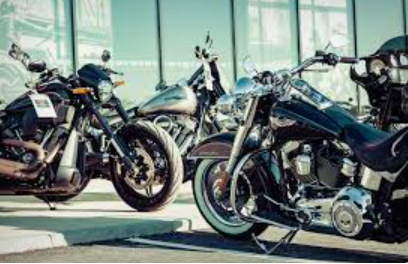
Harley Davidson motorcycles are not just any bikes; they are a symbol of style, freedom, and power. Therefore, it’s essential to have insurance that is specifically designed to protect these iconic machines. Harley davidson insurance is tailored to the unique needs of Harley owners, ensuring that you have the right coverage for your ride.
Financial Protection
Accidents can be happen to even the most experienced riders. Harley davidson, insurance provides financial protection in case of accidents, theft, or damage with your motorcycle. This coverage can help you avoid substantial out-of-pocket expenses, allowing you to get back on the road sooner. Read more
Liability Coverage
In addition to protecting your bike, Harley davidson insurance also includes liability coverage. This means that if you are involved in an accident and are found to be at fault, your insurance will cover the damages and medical expenses of the other party. This protection can help you avoid legal and financial troubles.
Factors Affecting Harley davidson, insurance Premiums
Type of Coverage
The level of coverage you choose will significantly impact your insurance premiums. Comprehensive coverage, which includes protection against theft, vandalism, and weather damage, will generally be more expensive than basic liability coverage.
Riding History
Your riding history plays a crucial role in determining your insurance rates. Riders with a clean record and years of experience are often rewarded with lower premiums. However, accidents or traffic violations can lead to higher insurance costs. Read more
Locations
Where you live can affect your insurance rate. Areas with higher crime rates or a history of motorcycle theft may result in higher premiums. Conversely, rural areas with fewer traffic accidents may offer lower rates.
Type of Harley
The model and year of your Harley Davidson motorcycle also impact your insurance premiums. High-performance or customized models may be more expensive to insure due to their higher repairs and replacement cost. Read more
Safety Features
Installing safety features such as anti-theft devices, alarms, and GPS tracking on your Harley can often lead to discounts on your insurance premiums. These measures not only protect your bike but also reduce the risk of theft.
Conclusion
Owning a Harley Davidson motorcycle is an exhilarating experience, but it comes with responsibilities. One of the most crucial responsibilities are ensuring that your prized possession is adequately protected with the right insurance coverage. Harley davidson, insurance offers tailored protection for your bike and provides peace of mind while you’re on the road. By understanding the factors that influence on your insurance premiums, you can make informed choices to secure the best coverage at the most affordable rates. Whether you’re a seasoned rider or a newcomer to the world of Harley Davidson, having the right insurance is essential for safeguarding your passion for the open road. Read more
Frequently Asked Questions (FAQs) About Harley davidson, insurance
Is Harley davidson, insurance mandatory?
In most places, basic liability insurance is mandatory for motorcycle owners, including those with Harley Davidsons. However, the level of coverage required may vary depending on your location. While liability coverage is typically required, additional coverage like comprehensive and collision may be optional, but highly recommended to protect your investment.
How much does Harley davidson, insurance cost?
The cost of Harley davidson, insurance varies widely based on several factors, including your location, riding history, type of coverage, and the specific model of your Harley. On average, you can be expect to pay anywhere from a few hundred to over a thousand dollars per year. To get an accurate quote, it’s best to contact insurance providers directly.
Can I get discounts on my Harley davidson, insurance?
Yes, many insurance companies offer discounts to Harley owners. Installing safety features such as anti-theft devices, taking a motorcycle safety course, and having a clean riding record can often lead to reduced premiums. Additionally, bundling your motorcycle insurance with other policies like auto or home insurance may also qualify you for discounts.
Does Harley davidson, insurance cover customizations and accessories?
It depends on your policy. Some Harley davidson, insurance policies offer coverage for customizations and accessories, but the extent of coverage may vary. It’s essential to review your policy carefully and, if needed, purchase additional coverage to protect your aftermarket additions.
What should I do if my Harley is stolen or damaged?
If your Harley is stolen or damaged, the first step is to contact to your insurance provider immediately to report the incident. They will guide you through the claims process, which typically involves providing necessary documentation and working with an adjuster to assess the damage or loss. Having comprehensive coverage is particularly valuable in such situations, as it covers theft and damage from various sources.
Can I insure multiple Harley Davidsons under one policy?
Yes, many insurance companies allow you to insure multiple motorcycles under a single policy. This can often result in cost savings compared to insuring each bike separately. Be sure to discuss your specific needs with your insurance provider to find the best solution for your collection.
Are passengers covered by my Harley davidson, insurance?
Typically, yes. Most Harley davidson, insurance policies include coverage for passengers. However, the level of coverage may vary, so it’s a good idea to review your policy to ensure that it provide adequate protection for both you and your passengers.
Can I switch insurance providers if I’m not satisfied with my current one?
Yes, you can switch insurance providers at any time, but it’s essential to do so thoughtfully. Before making the switch, research different providers, obtain quotes, and compare coverage options. Keep in mind that switching providers mid-policy may have financial implications, so be sure to understand any cancellation fees or refunds. Read more