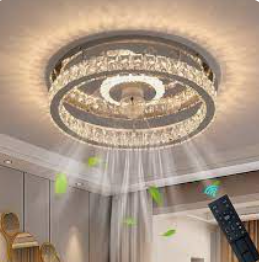
Ceiling fans with lights are a brilliant in additional to any home, offering both functional and aesthetic benefits. These versatile fixtures not only circulate air to keep your living spaces comfortable but also provide an excellent source of illumination. If you’re considering upgrading your home’s interior, this article will explore into the features, benefits, and considerations when it comes to ceiling, fans with lights.
The Dual Functionality in ceiling fans with lights
Ceiling fans with lights are prized for their dual functionality. They combine the cooling effect of a traditional ceiling fan with the illuminations of a light fixture. This means that not only can you maintain a comfortable temperature in your home, but you can also enjoy the convenience of overhead lighting. It’s a space-saving solution that can help reduce clutter in your living areas. Read more
Energy Efficiency
Modern ceiling fans with lights are designed to be energy-efficient. They consume significantly less electricity compared to running an air conditioner or using standalone lighting fixtures. This makes them an eco-friendly and cost-effective choice for homeowners looking to reduce their energy bills while keeping their homes comfortable.
Aesthetic Appeal
Ceiling fans with lights come in a wide range of design, style, and finishes, making them an attractive addition to any room. Whether you prefer a sleek and contemporary look, a rustic or traditional aesthetic, or a unique and artistic design, there’s a ceiling fan with lights that can complement your decor. You can even find models with customizable blades, lighting fixtures, and accessories to match your interior perfectly. Read more
Versatile Control Options
Many ceiling, fans with lights come equipped with various control options to suit your preferences. You can choose from pull chains, wall-mounted switches, remote controls, or even smart home integration. Smart ceiling, fans with lights can be operated using a smartphone app or voice commands, adding a modern touch to your home. Read more
Considerations When Choosing a Ceiling Fan with Lights
When shopping for the ceiling fan with lights, there are several factors to consider:
a. Room Size: Select a fan that is appropriately sized for the room. Larger rooms will require fans with more significant blade spans for effective air circulation.
b. Ceiling Height: Ensure that the fan’s height doesn’t interfere with your ceiling. Ceiling, fans with lights should be installed at least seven feet above the floor for safety and optimal performance.
c. Lighting Type: Choose between integrated LED lights or fixtures that allow you to use your own bulbs. Integrated LED lights are typically more energy-efficient and long-lasting.
d. Blade Material: The choice of blade material can affect the fan’s performance and aesthetic. Common options include wood, metal, and plastic blades. Read more
e. Noise Level: Look for models with quiet motors to ensure a peaceful environment in your home.
FAQs:
1. Are ceiling, fans with lights energy-efficient?
Yes, ceiling, fans with lights are generally energy-efficient. They consume less electricity compared to running an air conditioner or using standalone lighting fixtures. Additionally, many models come with integrated LED lights, which are known for their energy efficiency and long lifespan.
2. Can I install a ceiling fan with lights in rooms with low ceilings?
For rooms with low ceilings, it’s essential to select a ceiling fan with lights specifically designed for low-profile or flush mount installations. These fans are designed to provide ample air circulation without interfering with the limited ceiling height.
3. What is the ideal blade span for a ceiling fan with lights in different room sizes?
The ideal blade span for a ceiling fan with lights depends on the room size:
Small rooms (up to 100 square feet): 42 inches or smaller.
Medium-sized rooms (100 to 225 square feet): 44 to 54 inches.
Large rooms (over 225 square feet): 56 inches or larger.
4. Do ceiling, fans with lights make a lot of noise?
The noise level of ceiling, fans with lights can vary. Look for models with quiet motors if noise is a concern. Generally, quality fans are designed to operate quietly, providing a peaceful environment in your home.
5. Can I install a ceiling fan with lights in outdoor areas like a patio or a covered deck?
Yes, there are ceiling, fans with lights designed for outdoor use. These fans are constructed with materials and finishes that can withstand outdoor conditions, making them suitable for use in covered outdoor spaces.
6. How do I clean and maintain a ceiling fan with lights?
Regular maintenance involves dusting or wiping the blades and cleaning the light fixtures as needed. It’s essential to turn off the power to the fan before cleaning and use a non-abrasive cleaner to avoid damaging the finish or blades.
7. Can I dim the lights on a ceiling fan with lights?
Many ceiling, fans with lights come with dimmable lighting options, either through remote controls, wall-mounted dimmer switches, or smart home integration. Check the product specification to ensure the model you choose offers dimming capabilities.
8. Are there ceiling, fans with lights suitable for sloped ceilings?
Yes, some ceiling, fans with lights are designed to be compatible with sloped or vaulted ceilings. These fans come with mounting kits that allow for proper installation on angled surfaces.
9. Can I replace the bulbs in a ceiling fan with lights with my preferred ones?
It depends on the model. Some ceiling, fans with lights come with integrated LED light fixtures that are not replaceable. Others allow you to use your preferred bulbs, offering flexibility in choosing the light color and brightness.
10. Do ceiling, fans with lights come with warranties?
Yes, many reputable ceiling fan manufacturers offer warranties on their products. The length and terms of the warranty can vary, so it’s advisable to check the manufacturer’s website or product documentation for specific warranty information.
Conclusion
Ceiling, fans with lights are not only a practical addition to your home but also a stylish and energy-efficient one. Their dual functionality, energy efficiency, aesthetic appeal, and versatile control options make them an excellent choice for any room. When selecting a ceiling fan with lights, consider factors like room size, ceiling height, lighting type, blade material, and noise level to find the perfect fit for your home. By integrating these fixtures into your interior design, you can enhance your home’s ambiance and create a more comfortable living space. Read more