Network Utilization Brief for 300526102, 6629000939399, 900555555, 918783780, 2130021496, 6981223637

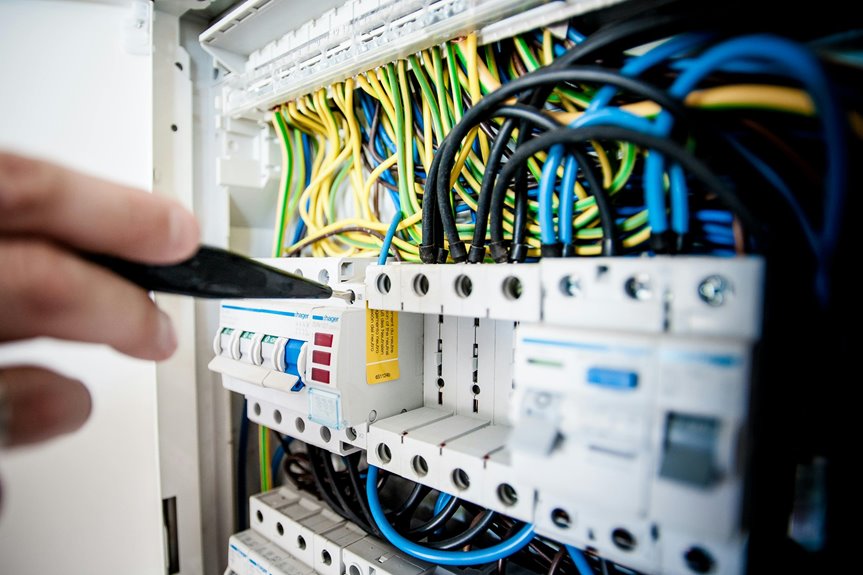
The network utilization brief for identifiers 300526102, 6629000939399, 900555555, 918783780, 2130021496, and 6981223637 presents a structured examination of performance metrics. Bandwidth usage, latency, and packet loss reveal distinct patterns of congestion. These insights suggest potential areas for improvement. A closer look at individual usage behaviors may uncover critical discrepancies. Understanding these factors could lead to more efficient resource management and enhanced user experiences. Further analysis is warranted.
Overview of Network Utilization Metrics
While network utilization is a critical aspect of overall network performance, understanding its metrics is essential for effective management and optimization.
Key metrics include bandwidth usage, latency, and packet loss, which serve as utilization benchmarks. Analyzing these metrics allows network administrators to identify congestion points, assess capacity, and implement strategies to enhance performance, ultimately fostering a more efficient and responsive network environment.
Analysis of Individual Identifiers
Network performance is influenced not only by aggregate metrics but also by the analysis of individual identifiers such as IP addresses, device types, and user profiles.
Evaluating identifier performance facilitates a nuanced understanding of network dynamics. Through utilization comparison, discrepancies among identifiers can be identified, enabling targeted optimization strategies that enhance overall network efficiency and user experience while fostering autonomy in resource management.
Trends in Bandwidth Consumption
How has bandwidth consumption evolved in recent years?
The rise of streaming services and cloud applications has led to significant bandwidth spikes, challenging network infrastructures.
Consequently, many providers resort to data throttling during peak usage times to manage traffic effectively.
This trend highlights the necessity for adaptive strategies to balance user demand with available resources, ensuring optimal performance while maintaining user freedom.
Recommendations for Optimization
To enhance network efficiency and mitigate bandwidth strain, organizations should implement a multi-faceted optimization strategy.
This includes employing traffic shaping techniques to prioritize critical data flows, ensuring optimal performance even during peak usage.
Additionally, effective resource allocation is essential, allowing for dynamic adjustments based on real-time demand.
Conclusion
In conclusion, the examination of network utilization metrics for identifiers 300526102, 6629000939399, 900555555, 918783780, 2130021496, and 6981223637 reveals a coincidental pattern of congestion that underscores the need for targeted optimization strategies. As bandwidth consumption fluctuates, aligning critical data flows with real-time demand management becomes imperative. This simultaneous occurrence of varying performance metrics suggests an interdependent relationship among the identifiers, necessitating a holistic approach to enhance overall network efficiency and user experience.