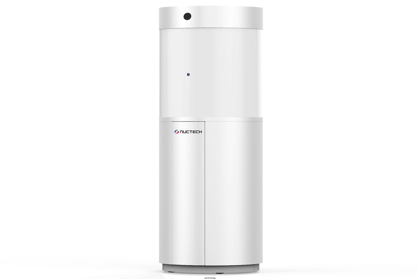
It’s pretty crazy to think about how much our smart devices know about us. From smartphones and smartwatches to home assistants like Alexa, these gadgets are quietly collecting heaps of data. Ever wondered why your ads seem oddly personal? It’s not magic—it’s data collection in action. Companies like instech have revolutionized how data is collected and utilized.
These devices track everything from our location to our browsing habits. Every time you ask Siri a question or tell Alexa to play your favorite song, that information is stored somewhere. It’s not just the tech giants like Google and Amazon either; even smaller apps often request permissions to access your contacts, photos, and more. It’s all part of creating a “better user experience,” but it also raises serious privacy concerns.
The real kicker? Most of the time, we give these permissions without a second thought. A new app pops up, promising some cool feature, and we click “allow” faster than you can say “privacy breach.” But who reads those lengthy terms and conditions anyway? Yeah, that’s what they count on.
Social media: oversharing and its risks
Social media has turned us into chronic oversharers. Whether it’s posting vacation pics or sharing what you had for breakfast, we’re constantly putting bits of our lives online. And while it feels harmless, it can actually be quite risky.
Think about it: when you share your location or post a photo in real-time, you’re essentially broadcasting your whereabouts to the world. It might seem innocent enough, but this information can be exploited by those with less-than-noble intentions. Ever heard of “social engineering”? It’s a fancy term for manipulating people into giving up confidential information, often using data they’ve willingly shared on social media.
Moreover, once something is online, it’s pretty much there forever. Even if you delete that embarrassing photo or offhand comment, chances are someone somewhere has already saved or screenshotted it. This permanence can have long-term consequences, from job prospects to personal relationships. So next time you feel the urge to share every detail of your life, maybe think twice.
Cybersecurity threats we face daily
Let’s be real: the internet isn’t the safest place. Every day we face numerous cybersecurity threats—phishing scams, malware attacks, data breaches—you name it. And the worst part? These threats are becoming more sophisticated by the day.
Take phishing scams, for example. Gone are the days of obvious typos and suspicious email addresses. Modern phishing attempts can look eerily legit, mimicking trusted companies down to the last detail. One wrong click and you could be handing over your personal information to cybercriminals.
Then there’s malware, which can infiltrate your device through seemingly harmless downloads or even just visiting a compromised website. Once in, malware can steal your data, lock you out of your system (hello, ransomware), and generally wreak havoc. To tackle concerns like these, new technologies such as full body scanners are being developed to enhance security measures. It’s a digital minefield out there, folks.
Balancing convenience with privacy
So here we are, stuck between wanting the latest tech conveniences and needing to protect our privacy. It’s a bit of a tightrope walk, isn’t it? Smart homes, wearable tech—these innovations make life easier but often at the cost of our personal data.
Take smart home devices as an example. They can control your lights, thermostat, and even your coffee maker with just a voice command. But all this convenience comes with the trade-off of constant surveillance. These devices are always listening for their wake words, meaning snippets of conversations could be recorded and sent back to servers for analysis.
The key is finding a balance. It’s about being mindful of what permissions you’re granting and taking the time to read those pesky terms and conditions (or at least skim them for any red flags). Small steps like using two-factor authentication and regularly updating passwords can also go a long way in protecting your digital life while still enjoying modern conveniences.
See also: Everything You Should Know About IT Certification Exams Before Booking Your Test
Steps to take for better digital security
Feeling a bit overwhelmed? Don’t worry; there are concrete steps you can take to boost your digital security. First off, start with strong passwords. It sounds basic, but you’d be surprised how many people still use ‘123456’ or ‘password’. Mix it up with letters, numbers, and special characters—it makes a world of difference.
Next up: two-factor authentication (2FA). This adds an extra layer of security by requiring not just a password but also a second form of verification (like a code sent to your phone). It might seem like an extra hassle, but trust me, it’s worth it.
Also, keep your software updated. Those annoying pop-ups urging you to update your system? They’re there for a reason. Updates often include security patches that protect against newly discovered vulnerabilities. So next time you see that update notification, don’t hit ‘remind me later’. Do it now!
Last but not least, be cautious about what you share online and who you share it with. It’s easy to get caught up in the moment and post something you’ll regret later. A little caution goes a long way in keeping your personal information safe in this digital age.